 2
 3
 4
 5
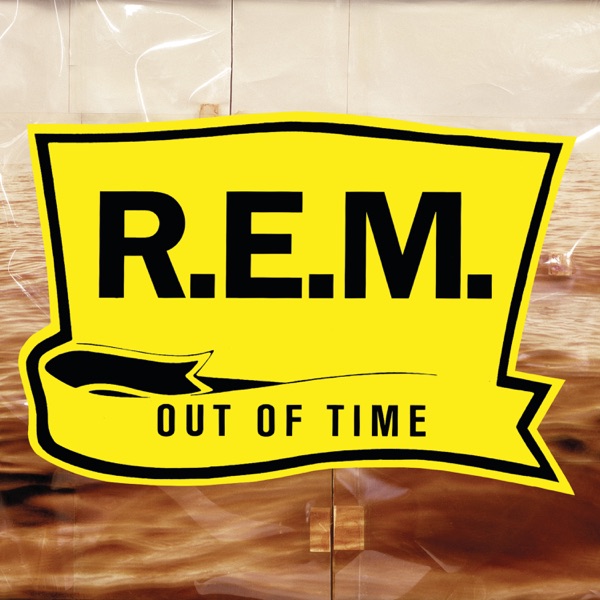 Out of Time (2016 Remaster) (1991)R.E.M.
The replies did not load.
Loading
@LemonTheory
Deep fan of the ’60s, though mostly adore the rock of the ’70s and ’80s punk. I travel the world, falling in love with the music of nearly every country. Especially drawn to French folk and pop. Always discovering, always listening.
Out of Time (2016 Remaster) (1991)R.E.M.The replies did not load.
 Get Yer Ya-Ya's Out! The Rolling Stones In Concert (Live) (1970)The Rolling Stones
The replies did not load.
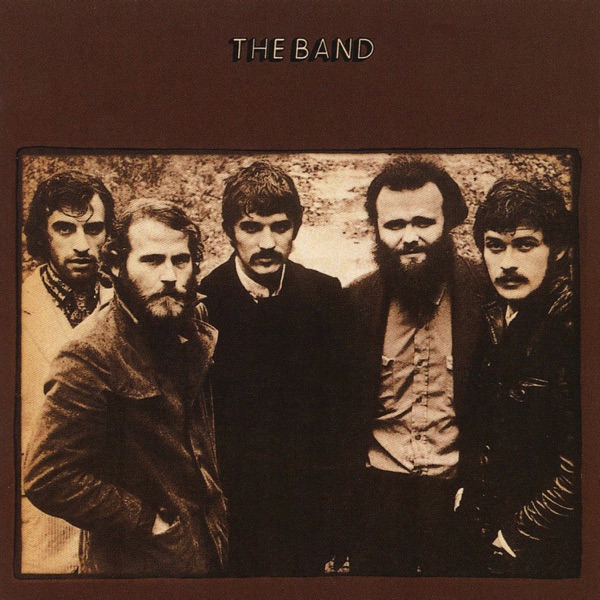 The Band (Remastered) (1969)The Band
The replies did not load.
 Three Cheers for Sweet Revenge (2004)My Chemical Romance
The replies did not load.
 The Crux (Deluxe) (2025)Djo
The replies did not load.
LemonTheoryreviewed48 minutes ago
 Back To Black (2006)Amy Winehouse
Gold
The replies did not load.
LemonTheoryreviewed49 minutes ago
 White Blood Cells (2001)The White Stripes
Love it
The replies did not load.
LemonTheoryreviewed50 minutes ago
 Graduation (2007)Kanye West
Every song sounds the same
The replies did not load.
 Fleetwood Mac (1975)Fleetwood Mac
This band saved my life and saw me through the hard times.
The replies did not load.
 Siamese Dream (1993)The Smashing Pumpkins
Absolute fav
The replies did not load.
 WHEN WE ALL FALL ASLEEP, WHERE DO WE GO? (2018)Billie Eilish
Genius producer.
The replies did not load.
 25 (2015)Adele
This is a perfect album.
The replies did not load.
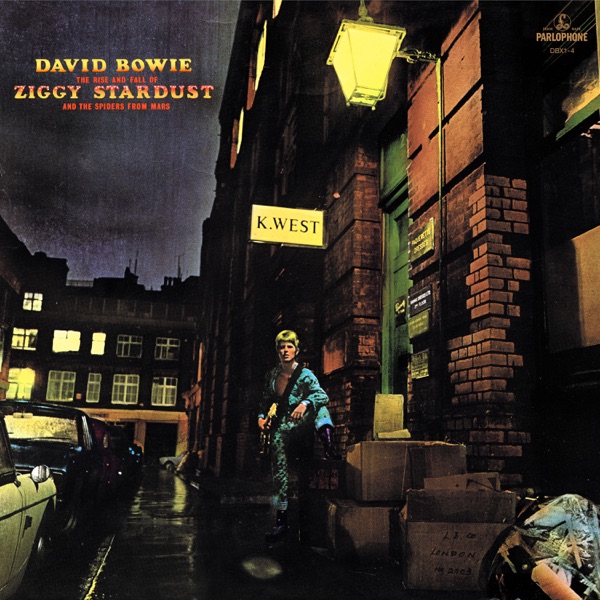 The Rise and Fall of Ziggy Stardust and the Spiders from Mars (2012 Remaster) (1972)David Bowie
It's Bowie and I was lucky enough to call him a friend once.
The replies did not load.
 Wish You Were Here (1975)Pink Floyd
Wish it was still the 70s.
The replies did not load.
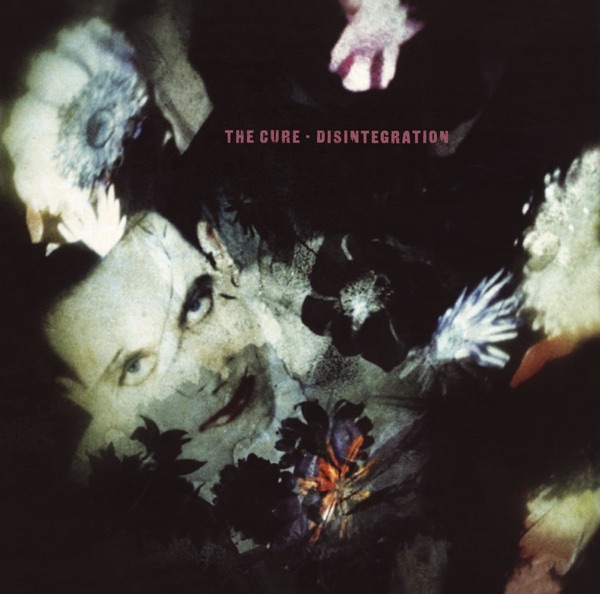 Disintegration (2010 Remaster) (1989)The Cure
Still haunts me. Never gonna stop.
The replies did not load.
 Revolver (1966)The Beatles
No words are worthy enough. 10/10.
The replies did not load.
 Aja (1977)Steely Dan
Steely Dan will always be perfect to me.
The replies did not load.
 Paradise Valley (2013)John Mayer
Solid enjoyable weekend tunes
The replies did not load.
 Continuum (2006)John Mayer
So powerful I conceded it had better lessons than I could ever provide so I raised my son on it and played it every day until he knew every word.
The replies did not load.
 Ill Wind - Single (2016)Radiohead
If you're ever in doubt of what to play - this is it.
The replies did not load.
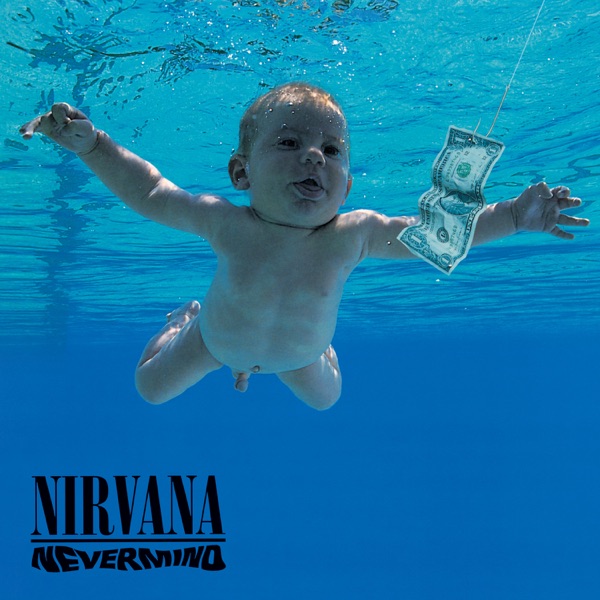 Nevermind (1991)Nirvana
This album absolutely changed a generation for the better.
The replies did not load.
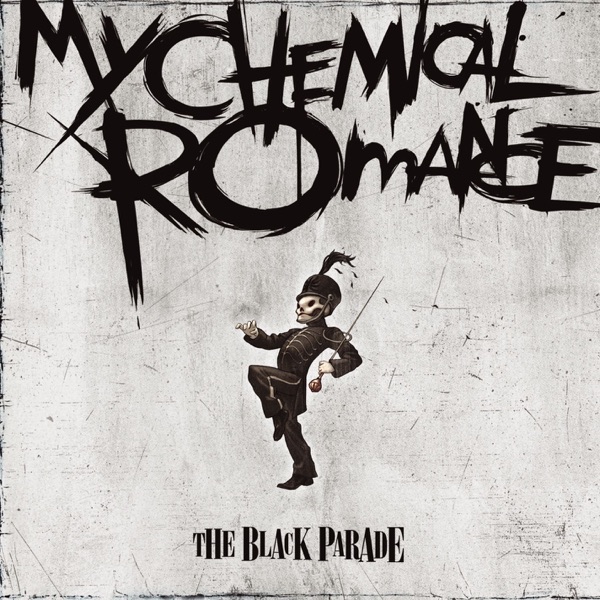 The Black Parade (2006)My Chemical Romance
FLAWLESS
The replies did not load.
 ZIRP! (2026)DIIV
I really enjoyed this. Lovely for a trance mood. Dig the production.
The replies did not load.
 Van Halen (1978)Van Halen
Truly life changing for rock in the new decade to come. I was lucky enough to see them play in their early days.
The replies did not load.
 Angel (2026)Lizzy McAlpine
Gorgeous beautiful harmonies for a rainy day
The replies did not load.
 Graceland (1986)Paul Simon
A solid album for the time from an absolute genius
The replies did not load.
 London Calling (1979)The Clash
One of the most important albums to influence a generation.
The replies did not load.
 Rumspringa (2026)ear
The replies did not load.
 You're a Man Now, Boy (Deluxe) (2016)Raleigh Ritchie
The replies did not load.
 Take Me Back To Eden (2023)Sleep Token
The replies did not load.
 The Soft Bulletin (1999)The Flaming Lips
The replies did not load.
 Epiphany In Brooklyn (1992)Brenda Kahn
The replies did not load.
 Role Model Hermit (2026)mary in the junkyard
The replies did not load.
 language - Single (2025)spirit blue
The replies did not load.
 Without You - Live from the Couch - Single (2026)Aidan Gallagher
There’s something addictive about the raw, unpolished intimacy of Aidan Gallagher’s “Without You (Live from the Couch).” The guitar tones recall Mk.gee’s distinctive sound, slightly gritty, beautifully imperfect, and full of character. Gallagher strips away the polish of the studio version and lets the song breathe, revealing a vulnerability that makes the performance feel spontaneous and deeply personal. It’s the kind of recording where the imperfections become part of the magic. No unnecessary production tricks, just an artist, his guitar, and a great song. Sometimes less really is more.
The replies did not load.
 Angelica - Single (2026)Aidan Gallagher
Aidan Gallagher plays with fire in “Angelica” Blending infectious pop melodies with alternative-rock intensity, Gallagher delivers a dangerously seductive portrait of love, obsession, and emotional self-destruction. Some love songs celebrate romance. Others mourn its collapse. Aidan Gallagher’s “Angelica” explores something considerably more dangerous: knowing someone is bad for you and wanting them anyway. The singer-songwriter delivers a compelling blend of alternative rock and melodic pop, built around a brisk rhythm, minor-key tension, and a chorus that turns a single name into an irresistible hook. But beneath its accessible surface lies something darker. Gallagher introduces Angelica as a contradiction: beautiful yet cruel, playful yet poisonous. She’s a woman whose affection carries an unmistakable threat, and the narrator recognizes it almost immediately. What makes the songwriting interesting is that he isn’t deceived. He understands the danger perfectly well. He’s simply powerless to resist it. The recurring image of a moth drawn toward a flame captures that contradiction beautifully. Desire becomes a form of voluntary self-destruction, with the narrator anticipating the inevitable consequences even as he moves closer. By the second verse, Gallagher pushes the metaphor further, describing Angelica as both poison and peace, her affection simultaneously comforting and addictive. Love becomes a dependency, and the narrator willingly surrenders control. Musically, “Angelica” occupies an appealing middle ground between the polished pop craftsmanship of “Without You” and the expansive, atmospheric experimentation of “Dream.” Its compact arrangement and repeated chorus give the song an immediacy that contrasts effectively with its darker subject matter. There’s a confidence in Gallagher’s willingness to embrace contradiction without resolving it. He doesn’t moralize about unhealthy relationships or offer an easy escape. Instead, he captures the irrational appeal of someone whose affection promises both pleasure and pain. It’s a familiar subject in rock music, but Gallagher gives it a youthful urgency and a memorable melodic identity. If “Without You” reveals his gift for pop and “Dream” demonstrates his experimental ambition, “Angelica” proves he can make emotional danger sound irresistible.
The replies did not load.
 Without You - Single (2026)Aidan Gallagher
Aidan Gallagher delivers pop perfection with “Without You” With irresistible melodies and an instinct for emotional storytelling, Gallagher proves he can write a pop song as compelling as anything on contemporary radio. Some artists spend their careers searching for the perfect pop song. Aidan Gallagher may have found one with “Without You.” Best known for his role in Netflix’s Umbrella Academy, the young singer-songwriter delivers a remarkably assured piece of melodic pop, balancing romantic vulnerability with the kind of effortless accessibility that makes a song feel instantly familiar. There are obvious comparisons to Charlie Puth, particularly in Gallagher’s instinct for melody and his approach to contemporary pop songwriting. But where Puth’s productions can sometimes feel almost too meticulously engineered, Gallagher brings a more personal, unguarded quality to his music. “Without You” doesn’t need elaborate concepts or experimental arrangements to make its point. Its strength lies in the fundamentals: an engaging melody, emotional directness, and the confidence to let a simple idea carry the song. What’s particularly impressive is that Gallagher writes and produces his own material, demonstrating a musical independence rarely associated with actors crossing into the recording industry. While his more experimental releases reveal an artist eager to explore the boundaries of his creativity, “Without You” proves he understands something equally important: the power of a great pop song. It’s catchy without feeling calculated, romantic without becoming sentimental, and polished without losing its personality. Charlie Puth may be the obvious comparison, but Gallagher makes a compelling case that he belongs in the same conversation. “Without You” isn’t merely a promising effort from an emerging musician. It’s pop songwriting at its most appealing.
The replies did not load.
 Dream - Single (2026)Aidan Gallagher
Aidan Gallagher builds a world of his own in “Dream” With encouragement from MCR’s Gerard Way, the Umbrella star delivers an ambitious, cinematic rock song that pushes his music into darker, more rock experimental territory. There’s a difference between writing a song and building an entire world around one. With “Dream,” Aidan seems determined to do both. Best known for portraying Five in Netflix’s Umbrella Academy, the 23-year-old actor and musician has spent years developing his own material. But “Dream” represents something considerably more ambitious than another actor trying his hand at music. It’s a sprawling, atmospheric exploration of longing, memory, and the blurred boundaries between reality and imagination. And it has an intriguing connection to Gerard Way, the My Chemical Romance frontman who created The Umbrella Academy. Gallagher played an early version of “Dream” for Way years before its release, and the veteran rocker loved it. The two share a fascination with musical textures, recording techniques, and the expressive possibilities of sound. Their conversations about production reveal a common belief that intensity and tone can communicate emotions that lyrics alone cannot. That philosophy is central to “Dream.” Gallagher wrote, performed, and produced the recording himself, constructing an elaborate sonic landscape from hundreds of individual layers. Environmental sounds suggest an imaginary city, while guitars, keyboards, and atmospheric textures create a dense, immersive listening experience. The result is closer to cinematic storytelling than conventional radio pop. There are echoes of My Chemical Romance’s theatrical ambition, particularly the dramatic intensity of “Sleep,” alongside the atmospheric experimentation associated with Radiohead. But Gallagher isn’t simply imitating his influences. He’s attempting to absorb their techniques into a musical language of his own. The song begins in alternative-pop territory before expanding into rock, deliberately blurring the boundaries between genres. Its emotional premise is equally ambitious. Rather than presenting heartbreak as a straightforward narrative, Gallagher explores the peculiar way memory and imagination distort our experiences. The lyrics favor suggestion over explanation, allowing listeners to construct their own interpretations. It’s an approach influenced by artists like Thom Yorke, whose ability to communicate powerful emotions through abstract language Gallagher has openly admired. At nearly five minutes, “Dream” demands more patience than the average contemporary single. Its elaborate production occasionally risks overwhelming the underlying songwriting, but that excess is also part of its appeal. Gallagher seems more interested in discovering how far he can push a musical idea than in trimming it to satisfy an algorithm. His earlier singles, including “Blue Neon,” “Time,” and “I Love You,” introduced a young musician with a natural interest in melody and emotional expression. “Dream” reveals a more confident artist, increasingly fascinated by the possibilities of sound itself. Celebrity may have given Gallagher an audience, but it cannot manufacture musical credibility. That has to come from the work. And while his artistic identity is still evolving, “Dream” suggests a musician with the imagination, technical curiosity, and determination to build something genuinely distinctive. Gerard Way may have recognized the song’s potential years ago. Now listeners can discover why.
The replies did not load.
 Mirror - Single (2026)Aidan Gallagher
Aidan Gallagher is finding his voice, and “Mirror” isn’t afraid to get uncomfortable. The Umbrella Academy star is emerging as an ambitious independent musician whose latest single takes aim at narcissism, self-deception, and the uncomfortable business of growing up. There’s a familiar playbook for actors who decide to become musicians: hire established producers, find a marketable sound, and hope celebrity does the heavy lifting. Aidan seems determined to do things differently. Best known for portraying Number Five in Netflix’s The Umbrella Academy, the 23-year-old has spent years developing his own music, writing songs, playing instruments, and handling most of the production himself. His growing catalog suggests an artist more interested in creative independence than following the usual celebrity-pop formula. His latest single, “Mirror,” may be his most provocative statement yet. Rather than another familiar song about heartbreak or romantic longing, Aidan takes aim at narcissism, hypocrisy, and the elaborate psychological defenses people construct to avoid confronting themselves. The lyrics are unusually confrontational. Aidan examines how insecurity disguises itself as intellectual superiority, how people manipulate their own perceptions of reality, and how easily moral compromise becomes self-justification. The central question is deceptively simple: Does growing older actually make us wiser, or merely better at pretending? It’s a sophisticated premise for a pop song, and Gallagher approaches it with surprising intensity. His earlier releases, including “Blue Neon,” “Time,” and “For You,” introduced a young songwriter drawn to melody and emotional expression. His 2026 singles, “Without You,” “Dream,” and “Angelica,” suggest a more ambitious creative direction, exploring the territory between alternative rock, atmospheric pop, and cinematic songwriting. “Mirror” pushes that evolution further, not necessarily through its genre, but through its perspective. There are moments when Gallagher’s ambition threatens to overwhelm his writing. His lyrics occasionally favor dense psychological language over the simplicity that makes great songwriting immediately accessible. The opening verse, particularly, feels closer to a philosophical argument than conventional pop poetry. But that’s also part of what makes the song interesting. Gallagher isn’t afraid of complicated ideas, and he doesn’t appear particularly concerned with making every line instantly digestible. In an industry increasingly dominated by songs engineered for fleeting social-media attention, there’s something refreshing about that determination. Of course, Gallagher faces an unusual challenge. His international fame guarantees attention, but it doesn’t guarantee musical credibility. Millions of social-media followers are no substitute for listeners who genuinely connect with the songs. That distinction will become increasingly important as he prepares his debut album and eventual live performances. For now, Gallagher’s greatest strength may be his willingness to take creative risks without the protective machinery of a major-label operation. His music remains a work in progress, but the progression from his earliest recordings is evident in the subjects he chooses and the confidence with which he approaches them. “Mirror” is perfect. Its intellectual ambitions exceed its lyrical restraint. And it reveals something more interesting than a polished commercial product: a young songwriter developing a distinctive point of view. Aidan Gallagher is finding his voice. And increasingly, it’s a voice worth listening to.
The replies did not load.