As music, the show happened about them — their songs, played to other people’s guests. These are the records above it played from, with each song and the episodes it went to.
Dense, weird, and completely unbothered by convention, hip hop built like a comic book with the panels slightly out of order.
Madlib's beats are loose and jazzy, samples looped in ways that feel careless until you realize how deliberate the chaos actually is, while DOOM slides through it slurred and sharp at the same time. Nothing overstays its welcome, most tracks clock in under two minutes and hit exactly as hard as they need to before moving on. Figaro and Accordion stand out as the moments where the whole formula just clicks perfectly, offbeat and effortless. Feels like two guys making exactly what they wanted with zero regard for what a rap album is supposed to sound like.
Cult classic energy, thoroughly earned.
Madlib creates a strange new universe and invites DOOM inside—to unsettle him, to challenge a genius, and to build with him a landscape neither could have created alone.
What inspires me most about Daniel Dumile is his fierce independence. As an only child and someone who has always been very independent myself, there is something powerful about hearing an artist who trusted his own imagination so completely. Madvillainy doesn’t compromise or explain itself. It creates its own language and its own world, and that creative force still inspires me today.
This album is not designed to make DOOM easier to understand. He and Madlib create their own world and expect you to enter it.
Thank you, DOOM and Madlib for the constant reminder to trust our own instincts and resist asking for permission.

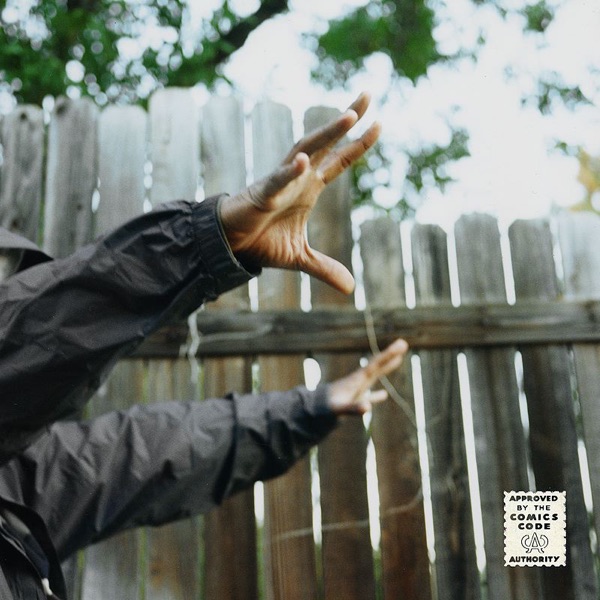
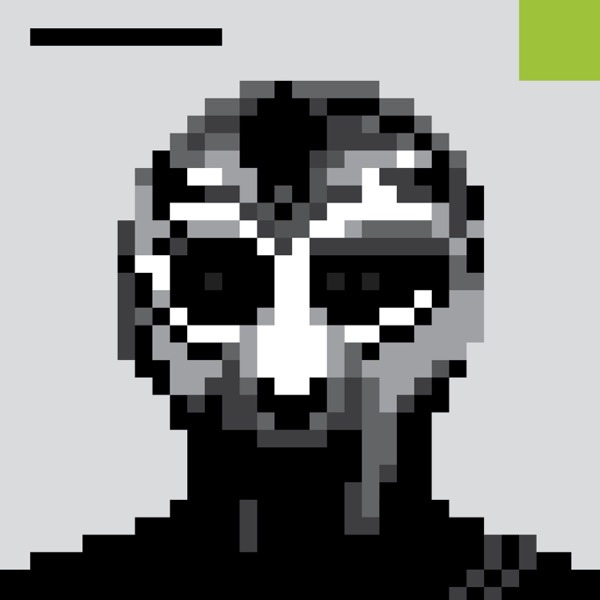


 MadvillainyMadvillain